
January 11, 2013The New Year began not so much with a bang, but a blast of activity. We had two dozen folks over for a traditional southern feast on New Year’s Day, and it seems we’ve been eating leftovers ever since, even though we sent people home with oodles of food. After so many cookies and cakes and candies and roasted pecans — and big roasts of meat — I’ve been trying to keep our meals as simple as possible.
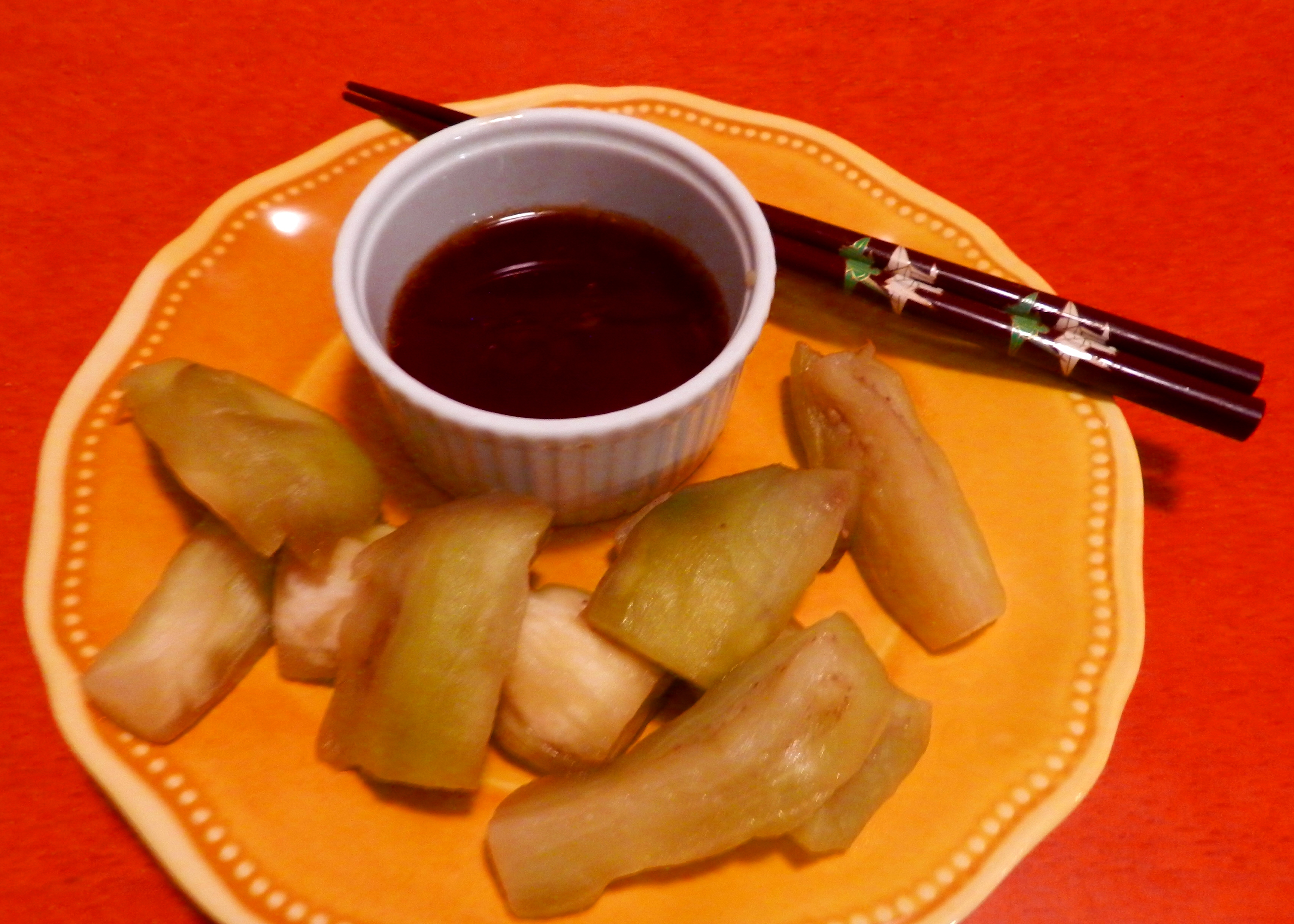
I rarely prepare Japanese dishes, but when I find perfect eggplant, the way I did yesterday, I like to simply steam it and serve it with gussied-up soy sauce (some ginger, some garlic, some lemon juice or rice vinegar, a couple of drops of sesame oil, some kombu if I have it [I didn’t]). It’s an elegant dish that is truly appetizing, making you want the next dish. It’s especially delicious if you have excellent soy sauce. Our friends Ken and Yoko brought us some from Japan that is unlike anything I’ve ever tasted before. It’s truly delicious. I’ve long known to buy only naturally fermented soy with no additives; it’s full of umami, the fifth flavor first described by a Japanese chemist in 1908 and now the rage among chefs. Good soy sauce like this does not taste salty! It didn’t really need the seasonings I added.
Soy sauce came to Japan from China in the 7th Century and it has been embraced there ever since. Currently, there are five different Japanese methods of preparing shoyu, as the sauce is called there, and some 10 different varieties: thick flavor, weak taste, twice-brewed, reduced salt, weak salt, light salt, genuine fermented, 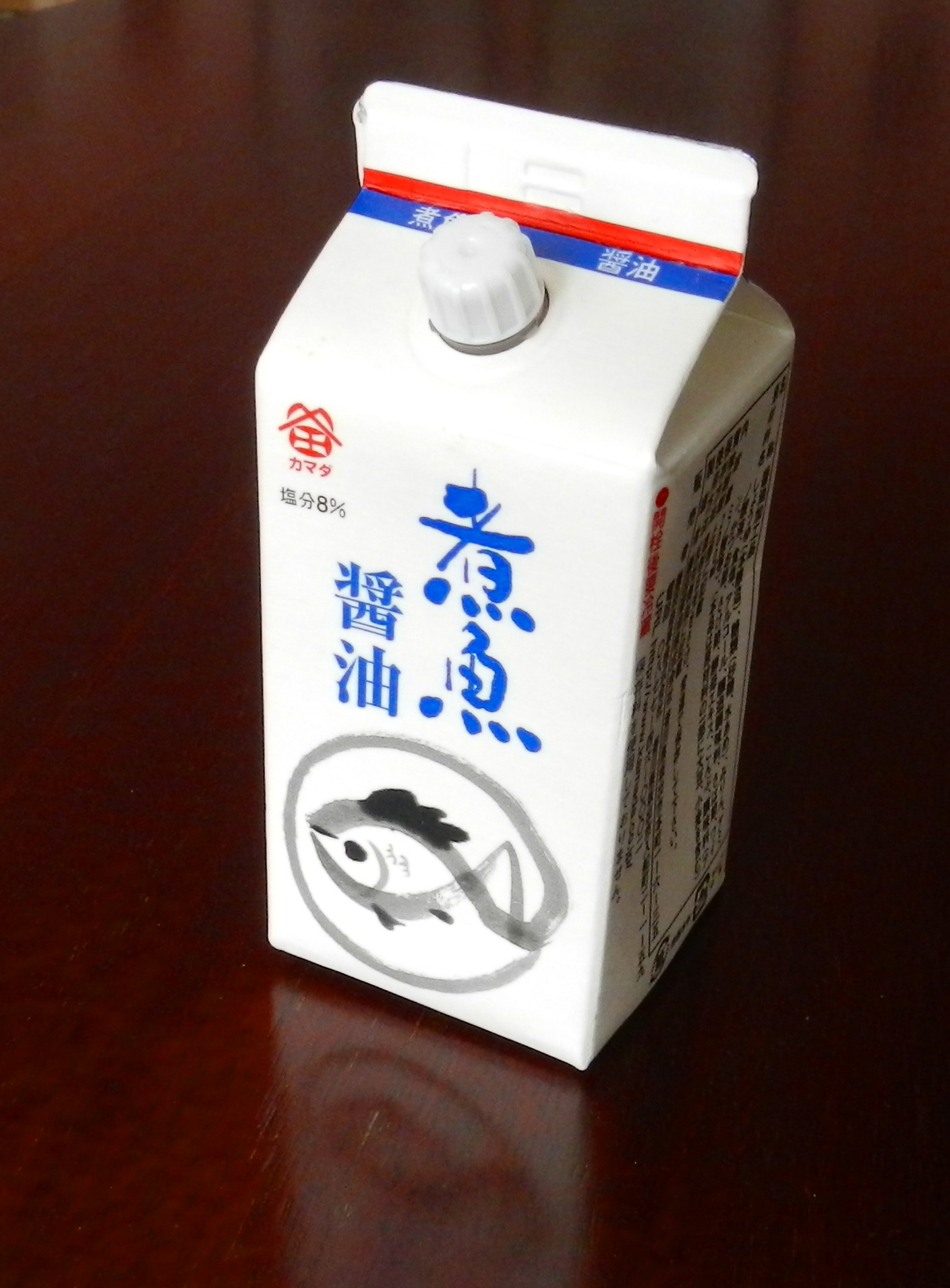 mixed fermented, mixed, and the traditional tamari (made only with soy and no wheat, so that it’s perfect for those with gluten intolerance). Further, there are three grades of soy, based on the nitrogen content (not unlike the grading of olive oils based on the acid content). Unfortunately, I cannot read the Japanese on the little 200-gram (7 ounce) carton they gave us, so I have little idea of what we have. The Japanese website for the producers doesn’t help, and their American distributor only sells flavored soys. That they are sold out of many of their items makes me think that both Yoko and my taste buds are right when they declare this soy to be special. A little sleuthing around the internet and I was able to find that Kamada, the small company, was founded in 1789 and that it uses only organic soy beans and wheat in their sauces, but I still have no idea which type of sauce this one is. I’ve asked one of my Japanese friends, and I’ve written to Kamada. I’ll keep you posted. (P.S. I have since heard from a Japanese friend who tells me that the label says that the label says “NIZAKANA SHOYU, which means that you will cook fish with this soy sauce. This may already be prepared with some kind of broth added to the soy sauce. ” (Nizakana means poached fish.) I wonder what the soy sauces will be like in Sichuan, where I’m moving this summer, and where it has been a staple since the second century B.C. In China, there are brewed and blended sauces. The naturally brewed are better, but I doubt that I will be cooking much, anyway. I will be enrolling full-time in school (to learn Mandarin, calligraphy, and Tai Chi), at least partially so that I can get a visa to stay there while Mikel runs Peace Corps (called US-Chinese Friendship Volunteers there).
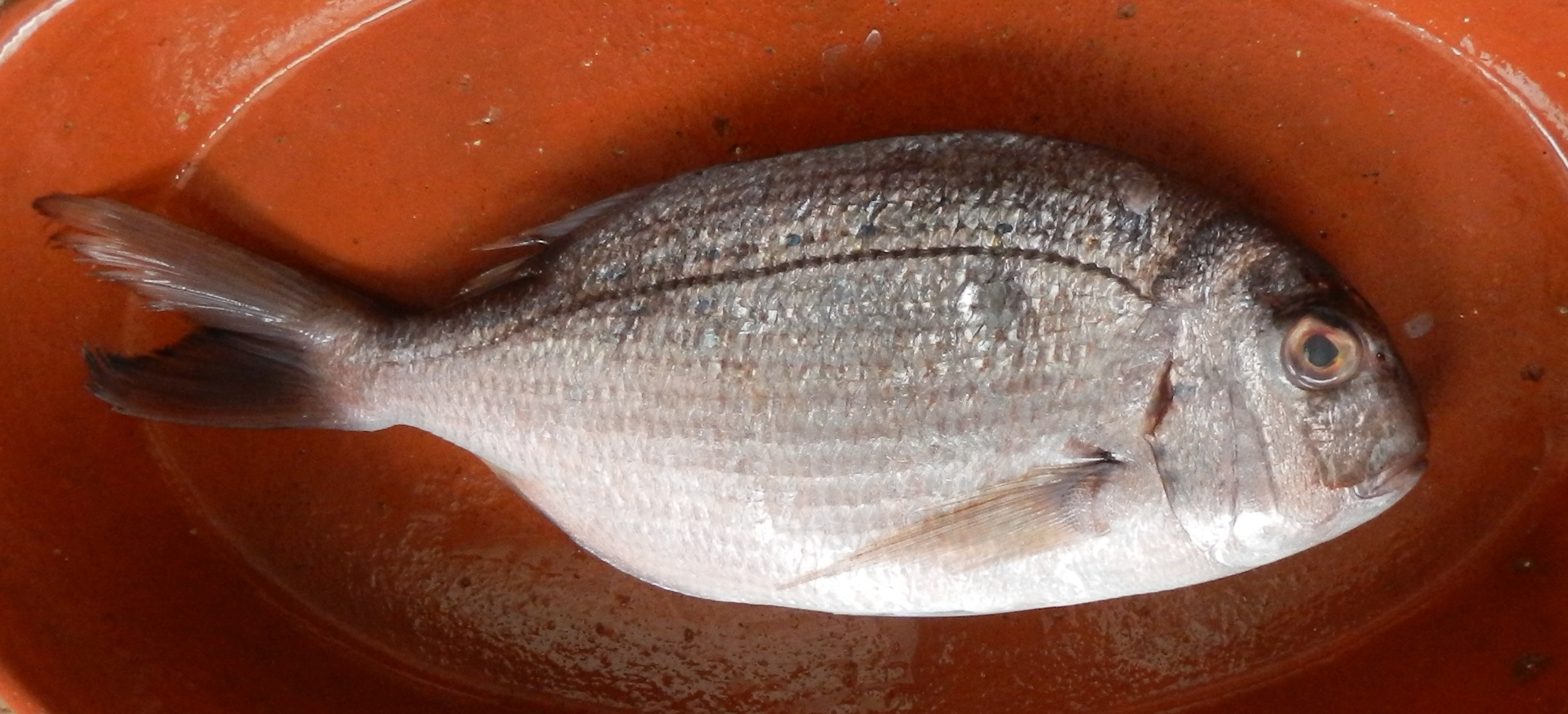 The red porgy (left) is not as delicate as its better known cousin, the gilt-head sea bream (known here in Bulgaria by its Greek/Turkish name, Tsipura, but called Daurade/Dorada/Orata/Ourata/Orada in the Romance languges). Called by its Greek name, Fagrí, here in Bulgaria, it is, however, a perfectly tasty alternative to farm-raised tsipuri. It is the only Mediterranean sea bream that makes its way to the shores of America, where I have known it all my life. The red porgy, as we call it, is a member of the huge Perciformes family of fish, many if not most of which are edible — sea basses, sea breams, sea perches, wreckfish, groupers, porgies, weakfish, etc. I’m fond of all them, but I find the porgies (there are 15 species along the Atlantic coast) to be among the most delicious. I keep the cooking simple — a squeeze of lemon juice, a thin coating of olive oil, some salt and pepper — and bake it hot. Or I simply gut it and leave the scales on and place it on the grill. Tomatoes go well with porgies, but this time I served a fennel-and-orange salad alongside. The fish followed the eggplant appetizer.
I will be appearing at The Charleston Wine and Food Festival at the beginning of March. Most of the details have been provided on the site, but there is some last minute scheduling yet to be posted. In addition to the sold-out event and the booksigning listed, I will be on a panel discussing southern food on Friday, March 1, at 1:15, in the Southern Foodways Alliance Culinary Hub Tent in the Culinary Village. This will be my last visit home for awhile as I am busy trying to learn some Mandarin and prepare for our big move!